
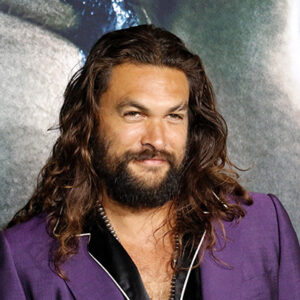
- Jason Momoa has been named the latest LEGO Playmaker, storming the brand's fully brick-built boardroom in a new PSA-style short film to deliver a chaotically playful case for why the world needs more play, timed to World Play Day on June 11.
- Directed by Emmy Award-winning comedy director Rhys Thomas and created by LEGO's in-house Our LEGO Agency (OLA) in collaboration with creative agency Chaos x Magic, the campaign's core message is simple: play makes life better.
- The campaign is backed by the LEGO Play Well Study 2026, which found that just five hours of play per week can improve family wellbeing, yet 44% of families globally aren't meeting even that minimum threshold.
- Momoa is no stranger to LEGO, he previously voiced an Aquaman parody in The LEGO Movie 2: The Second Part, and has said that when he's involved with LEGO, he's "an all-star" in his kids' eyes, giving this reunion a layer of genuine authenticity.
Jason Momoa has crashed LEGO headquarters, and he came with a plan. Launched June 1, 2026, ahead of World Play Day on June 11, the Hawaiian actor debuts as “the Playmaster” in LEGO’s global “Never Stop Playing” campaign.
Directed by Emmy Award-winning comedy director Rhys Thomas and created by Our LEGO Agency with Chaos x Magic, the film sees Momoa storm a fully brick-built boardroom to pitch an irreverent, laugh-out-loud case for more play: part motivational speech, part brick-clicking workout video.
The campaign is anchored in LEGO’s Play Well Study 2026, which surveyed 45,000 respondents across 30 markets and found that 44% of families globally fail to hit just five hours of shared playtime per week, while 89% of parents wish they played more together as a family.
Momoa, who was raised by a single mother who always encouraged play, climbing, and creativity, brings real personal conviction to the role.
This is a homecoming of sorts. Momoa previously voiced Aquaman in The LEGO Movie 2: The Second Part, and has said his kids barely notice his other roles, but when LEGO is involved, he’s a superstar in their house.
Off-screen, his brand portfolio has been expanding steadily, with active partnerships including Chime (since October 2025) and Guinness, alongside his own ventures like sustainable water brand Mananalu.
The LEGO campaign arrives at what Momoa is calling the peak of his career. He is currently filming A Minecraft Movie Squared, with Supergirl, Street Fighter, and the final instalment of the Dune trilogy all slated for later in 2026.
This has been a banner year for LEGO’s celebrity marketing strategy. Just weeks ago, the brand made global waves when it reunited Messi, Ronaldo, Mbappé, and Vinicius Jr. for its FIFA World Cup 2026 campaign, a move that drove hundreds of millions of views across social platforms.
The “Never Stop Playing” campaign with Momoa shows LEGO is equally committed to values-led storytelling alongside sport. Much like how Megan Fox’s comedic “Head Professor” campaign for Dr. Squatch leaned into humor to drive cultural relevance, LEGO’s playbook here blends laughs with a genuine social message.
Takeaways
LEGO is operating at two speeds in 2026: global sports spectacle with football’s biggest icons, and family-focused social advocacy with Momoa. That’s a deliberately broad strategy, and it’s working.
The “Never Stop Playing” campaign isn’t just an ad; it’s a public health argument dressed in bricks and humor. Momoa’s casting is unusually credible: a celebrity who openly credits LEGO for connecting him with his own children is far more persuasive than a paid smile.
The campaign also reveals something about where brand marketing is heading. By blending absurd humor with cinematic storytelling, LEGO is pushing the idea that play, and by extension, its products, sits at the center of family life, not on the periphery. That’s a big swing for a toy brand, and one that’s hard to argue with when the data backs it up.
Does Momoa’s personal story, crediting play and LEGO specifically for bonding with his kids, make this one of the more authentic celebrity brand deals of 2026?
With LEGO running both a sports-royalty World Cup campaign and a values-led family campaign simultaneously, is this the most ambitious dual celebrity strategy any toy brand has ever attempted?