
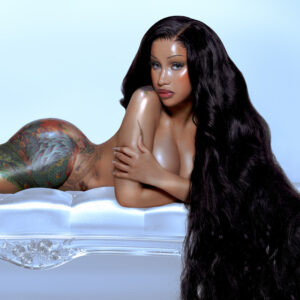
- Cardi B is the face of Zevia's largest campaign to date, "Real Talk Interpreter," launched July 21, 2026.
- The campaign spans streaming TV, social media, retail displays and a nationwide sweepstakes, built around Zevia's Orange Creamsicle and Creamy Root Beer flavors.
- This is Cardi B and Zevia's first full creative campaign together, following her March 2026 deal as the brand's shareholder and ambassador.
- Two hero ads, a guidance counselor scene, and a neighborhood "Potluck" center on Cardi B translating what people really mean.
Cardi B is officially Zevia’s “Real Talk Interpreter.” She stars in the better-for-you soda brand’s biggest campaign yet, launched July 21, 2026, across streaming TV, social media, retail displays and a nationwide sweepstakes.
The concept leans into Cardi B’s blunt sense of humor. In one spot, a school guidance counselor tells a mom her son is “still finding his footing academically,” before Cardi B rolls in, dressed in an over-the-top outfit, to translate what that really means, sipping a Zevia Orange Creamsicle along the way.
A second ad, “Potluck,” gives the same treatment to an awkward neighborhood gathering. Both spots spotlight Zevia’s Creamy Root Beer flavor and its all-natural, stevia-sweetened ingredients, reinforcing the brand’s “Zero Fake, Zero Sugar” positioning.
The campaign extends online, too: Cardi B will decode fans’ confusing group chats and dating-app messages on Instagram and TikTok. Retailers get Cardi B-branded displays, and Zevia is running a sweepstakes offering autographed merchandise.
This marks the pair’s first full creative campaign, but not their first collaboration. Cardi B became a Zevia shareholder and brand ambassador in March 2026, a deal that began with Zevia sponsoring her sold-out Little Miss Drama Tour.
Her endorsement slate has kept growing since: Mugler Fragrances signed on as the tour’s official fragrance sponsor in April, and Fashionphile named her its 2026 global brand ambassador in May.
Takeaways
Zevia is a small-cap beverage stock leaning almost entirely on one celebrity to carry its “biggest campaign to date”; that’s a lot of brand equity riding on Cardi B’s unfiltered persona translating into actual can sales.
It’s also notable how layered this deal is: she’s not just a spokesperson; she’s an equity holder, which changes the incentive math on both sides.
And zooming out, this is Cardi B’s third brand rollout in five months (Zevia, Mugler, Fashionphile), which says as much about her booking momentum during the Little Miss Drama Tour as it does about any single partner.
Does an equity stake make celebrity endorsements feel more “real” to consumers, or does it just add another layer of marketing? Can one ambassador-driven campaign meaningfully move sales for Zevia?