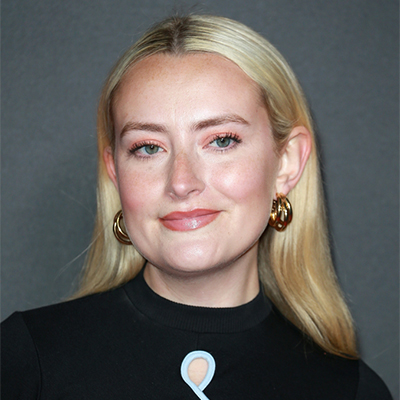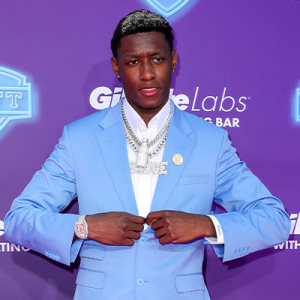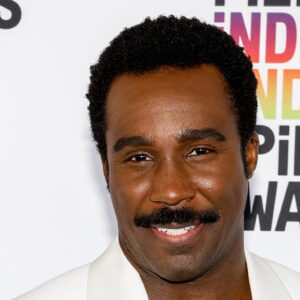

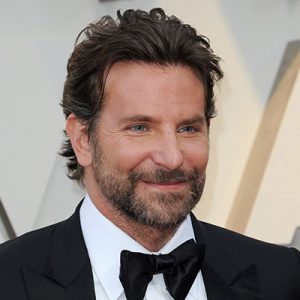

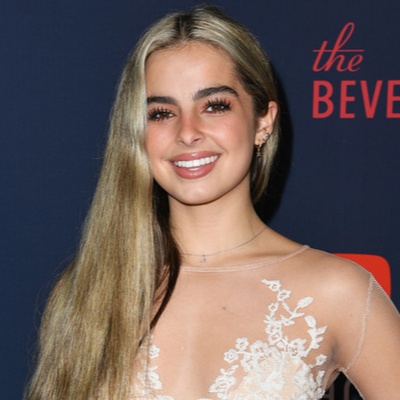

Celebrity Name: Addison Rae, Matthew McConaughey, Bradley Cooper, and Parker Posey (main ad), with additional customizable cameos from Amelia Dimoldenberg, Tramell Tillman, Sauce Gardner, Jerry Rice, Pork Chop Womack, and Sourdough Sam
Brand Name: Uber Eats
Deal Type: Super Bowl LX commercial campaign featuring the first-ever “Build Your Own Super Bowl Commercial” interactive in-app experience
Announced: Initial teasers released January 25, 2026. Main campaign announcement on February 2-3, 2026. Full 60-second commercial aired during Super Bowl LX on February 8, 2026
Impact: This marks Uber Eats’ sixth consecutive Super Bowl appearance and the second year featuring Matthew McConaughey’s “football conspiracy theorist” character who believes football was invented to sell food. The campaign aims to establish Uber Eats’ meal delivery supremacy, particularly with competitor DoorDash sitting out this year’s Super Bowl.
- Addison Rae, Matthew McConaughey, and Bradley Cooper headline Uber Eats’ star-packed Super Bowl LX “Hungry for the Truth” campaign.
- Fans can build their own commercial in the Uber Eats app, mixing modular cameos like Amelia Dimoldenberg and NFL legends into 1,000+ ad combinations.
- The main spot turns McConaughey’s “football is really for food” conspiracy into a showdown with Cooper during a 60-second in-game ad.
- The campaign doubles as a promo engine, letting viewers unlock deals on game-day snacks by completing their custom Super Bowl LX cut.
Uber Eats is revolutionizing Super Bowl advertising with its first-ever customizable commercial airing during Super Bowl LX on February 8, 2026. The food delivery giant continues its conspiracy-themed campaign from last year, now featuring an all-star cast.
The main spot showcases Matthew McConaughey driving Bradley Cooper insane with his “Foodball” theory. McConaughey’s character obsessively points out food-related terminology in football: “hail mary,” “beef,” and field goals resembling forks. Cooper, playing the exasperated sports purist, pleads for McConaughey to “squash this beef”.
Addison Rae makes a memorable appearance sipping her hit song’s namesake, Diet Pepsi, while dismissing McConaughey’s antics with “Don’t drag me into this”.
The 25-year-old recently made her Grammys debut, performing “Fame Is a Gun” as a Best New Artist nominee. Her debut album reached No. 4 on the Billboard 200.
The campaign’s innovation lies in its interactive element. Starting February 3, users could log into the Uber Eats app and “order” their custom commercial. Options include ‘Amelia’s chicken,’ ‘Addison’s Diet Coke,’ ‘Tramell’s breakfast,’ and ‘Sauce & fries’. With over 36 hours of video content and 40 food-football scenarios, the possibilities seem endless.
Parker Posey co-stars alongside the leads, egging on their rivalry. The campaign also features Chicken Shop Date host Amelia Dimoldenberg, making her Super Bowl commercial debut. She expressed excitement about participating, noting she’s a genuine Uber Eats customer who regularly orders food.
NFL legends Jerry Rice and Sauce Gardner filmed selectable scenes, alongside 49ers mascot Sourdough Sam and Pork Chop Womack. This deep bench of talent gives fans unprecedented control over their viewing experience.
Similar to how Lainey Wilson partnered with Wrangler, this campaign merges celebrity star power with brand engagement.
Key Takeaways:
Uber Eats just cracked the code on personalized advertising. By letting fans become creative directors, they’ve transformed passive viewers into active participants. This isn’t just about celebrity cameos, it’s about democratizing the Super Bowl advertising experience.
The campaign brilliantly capitalizes on two Super Bowl obsessions: celebrity-packed commercials and game-day food. With over 1,000 combinations, every viewer gets a unique experience tailored to their preferences. This level of customization could reshape how brands approach Super Bowl advertising altogether.
The “Foodball” conspiracy angle is genius marketing. It playfully acknowledges what everyone knows: Super Bowl Sunday drives massive food delivery orders. By making the connection explicit through humor, Uber Eats positions itself as the essential Super Bowl companion.
Will customizable commercials become the new standard for Super Bowl advertising, or is this a one-time gimmick? Could this interactive format work for other major cultural events beyond the Super Bowl?