

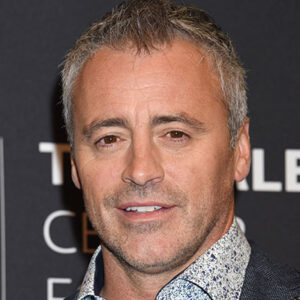
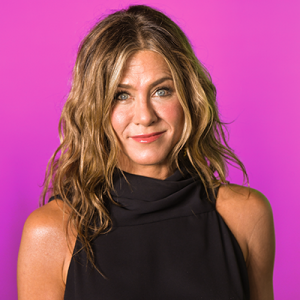
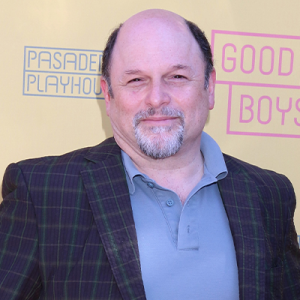
Celebrity Name: Ben Affleck, Matt LeBlanc, Jennifer Aniston, Jason Alexander
Brand Name: Dunkin’
Deal Type: Super Bowl LX commercial titled “Good Will Dunkin'” featuring a 1990s sitcom-themed parody of Affleck’s 1997 film Good Will Hunting
Announced: Initial teaser released January 30, 2026 during the Grammy Awards broadcast. Full 60-second commercial aired during Super Bowl LX on February 8, 2026
Impact: This marks Ben Affleck’s fourth consecutive year starring in Dunkin’s Super Bowl commercial (2023, 2024, 2025, and 2026), cementing his status as Dunkin’s unofficial brand ambassador and “DunKing”. The 2026 spot represents Dunkin’s most star-studded campaign yet, assembling iconic 1990s sitcom stars from Friends, Seinfeld, Cheers, The Fresh Prince of Bel-Air, Family Matters, and A Different World. The commercial featured Ted Danson reprising his Cheers character Sam Malone.
- Ben Affleck reunites with ’90s TV legends Jennifer Aniston, Matt LeBlanc, and Jason Alexander for Dunkin’s fourth consecutive Super Bowl campaign, titled “Golden Cringe.”
- The teaser features Affleck pitching a mysterious VHS tape labeled “Network Pilot ’95 v3” that he describes as “monster cringe… golden cringe” to the skeptical sitcom stars.
- This continues Dunkin’s celebrity-driven Super Bowl franchise, following 2024’s “DunKings” boy-band concept with Matt Damon and Tom Brady.
- The full commercial will air during Super Bowl LX on February 8, 2026, after the teaser debuted during the Grammy Awards on February 1.
Dunkin’ has transformed its Super Bowl advertising into a star-studded annual franchise. Ben Affleck returns for his fourth consecutive year. The Oscar-winning actor and director most recently appeared in The Accountant 2 and continues producing through Artists Equity.
The “Golden Cringe” teaser opens with Affleck popping a vintage VHS into a player. He pitches the mysterious tape to three skeptical ’90s television icons.
Jennifer Aniston, fresh off her continued success with The Morning Show, appears unimpressed. Matt LeBlanc, who starred in Friends for ten seasons, cautiously asks for a copy. Jason Alexander, the Seinfeld legend known for his role as George Costanza, watches in stunned silence.
Affleck delivers his pitch with characteristic enthusiasm. “What’s old is new, what’s cringe is good, what’s up is down,” he declares. He recounts how studios and networks rejected his vision. Only Dunkin’ believed in him since 1992.
The teaser builds tension as the celebrities watch the tape. Aniston sternly warns, “No one can see this”. The mystery content remains hidden until the full commercial airs.
This campaign marks Dunkin’s strategic evolution of celebrity partnerships. Previous years featured Matt Damon, Tom Brady, Jennifer Lopez, Jeremy Strong, and Casey Affleck. The brand cleverly taps into ’90s nostalgia by uniting stars from two of television’s most beloved sitcoms.
Dunkin’ joins a growing trend of brands investing heavily in Super Bowl star power. T-Mobile previously enlisted Jason Momoa alongside Scrubs stars Zach Braff and Donald Faison for their Big Game commercial. Like Dunkin’s nostalgic approach, T-Mobile leveraged beloved TV franchises to create memorable advertising moments.
Key Takeaways:
Dunkin’ has masterfully created appointment viewing for its Super Bowl spots by building multi-year storytelling around Ben Affleck’s authentic brand enthusiasm.
The pivot from boy-band parody to ’90s sitcom nostalgia shows smart creative evolution while maintaining celebrity firepower. By uniting Friends and Seinfeld stars, Dunkin’ taps into powerful cultural touchstones that resonate across generations.
The “monster cringe” positioning is brilliantly self-aware marketing. Affleck openly embraces embarrassment as entertainment, making audiences complicit in the joke. This vulnerability creates emotional connection while keeping Dunkin’ culturally relevant beyond coffee and donuts.
Following T-Mobile’s successful strategy of pairing action stars with sitcom legends, Dunkin’s celebrity Super Bowl campaigns demonstrate how nostalgia-driven casting can cut through the Big Game advertising clutter.
These partnerships prove that authentic celebrity relationships outperform traditional endorsement deals in creating viral moments.
Will Dunkin’s multi-year celebrity franchise strategy set a new standard for Super Bowl advertising continuity? Will other QSR brands attempt similar celebrity-driven storytelling franchises for major sporting events?