

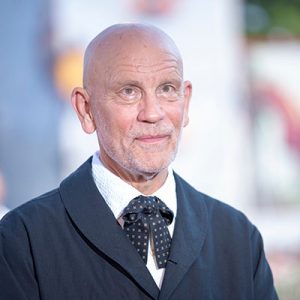

- John Malkovich, a recently naturalised Croatian citizen with Croatian ancestry, fronts a new Croatian National Tourist Board (HTZ) campaign set to premiere globally just before the 2026 FIFA World Cup.
- The campaign is built around "fjaka," the untranslatable Dalmatian concept of slow, blissful stillness, filmed in Split and across Croatia's Adriatic coast, with a primary focus on breaking through in the American market.
- Emmy-winning producer Pete Radovich, who carries 45 Emmy Awards across 18 categories and also has Croatian roots, serves as creative director, marking his fourth collaboration with Malkovich, with their previous joint projects earning 5 Emmys, 5 Cannes Lions, and 8 Clio Awards.
- Croatia's tourism board, which has previously worked with football icons Luka Modrić and Mario Mandžukić in past campaigns, is now pivoting to cinematic lifestyle storytelling over traditional scenery-first promotion.
John Malkovich is the new face of Croatia. The Hollywood star recently gained Croatian citizenship and has since become the central figure in a new promotional campaign by the Croatian National Tourist Board (HTZ) aimed at strengthening Croatia’s global tourism profile.
The campaign is expected to launch globally ahead of the 2026 FIFA World Cup, with a particularly strong focus on the American market. A teaser has already been released online, with the full film scheduled to premiere across international markets shortly before the tournament kicks off.
The campaign centres on the Dalmatian concept of “fjaka,” the famously untranslatable state of relaxed calm, stillness, and enjoyment of life.
In teaser footage, Malkovich sits with Croatian Tourism Minister Tonči Glavina in Split, joking about spending hours doing nothing, before Glavina introduces him to fjaka.
Malkovich was joined on the project by award-winning producer Pete Radovich, who serves as creative director. Radovich, also of Croatian heritage, holds 45 Emmy Awards.
The campaign marks their fourth collaboration together, with previous joint projects earning five Emmys, five Cannes Lions, and eight Clio Awards.
Just as Jason Sudeikis and Erling Haaland teamed up with Visa for a high-profile FIFA World Cup 2026 campaign, Croatia is leveraging the tournament to go global with star power and sharp storytelling.
On the brand side, the Croatian National Tourist Board has a strong history of celebrity-driven promotion. Previous HTZ campaigns featured Croatian football stars Luka Modrić and Mario Mandžukić, and more recently, HTZ partnered with Expedia Group to spotlight Croatia’s lesser-known destinations and rich cultural heritage.
For Malkovich, this marks another high-profile brand move following his starring role in JW Anderson’s Resort Spring-Summer 2026 Loafer Bag campaign, the first since the British fashion house relaunched, alongside Mel C. Malkovich is also known for his acclaimed performances in Dangerous Liaisons, Being John Malkovich, and most recently Opus, opposite Ayo Edebiri.
This World Cup-timed tourism campaign is not unlike Tom Davis’s nostalgic World Cup collaboration with Betfair, brands are clearly racing to capitalize on the tournament’s commercial moment.
The campaign reflects a broader shift in how Croatia promotes itself internationally, moving beyond beaches and scenery to emphasize culture, authenticity, storytelling, and lifestyle branding, as it competes in an increasingly crowded Mediterranean tourism market.
Takeaways
Croatia is playing a smart long game here. By tying citizenship to ambassadorship, HTZ has created something more credible than a standard celebrity deal: Malkovich isn’t just paid talent, he’s a citizen with real roots.
And building the campaign around fjaka rather than sunsets and yacht shots is a genuine differentiator in a sea of sun-and-sea tourism ads.
With the World Cup bringing the planet’s eyes to the US, and American tourism to Croatia already trending upward, this campaign lands at exactly the right moment.
Does Malkovich’s Croatian citizenship make him a more authentic ambassador than a purely commercial hire, and does that authenticity translate to American travelers? Could the “fjaka” concept (slow living, doing nothing) actually resonate with a high-energy American audience, or is it too niche to cut through?


